deltamove
Nonwoven fabric for moisture absorbers
Technical solutions for desiccant sachets, silica gel and CaCl₂ absorbers
Deltamove Engineering develops and supplies nonwoven fabrics for moisture absorbers specifically designed for industrial, logistics and consumer applications. Our materials are formulated to ensure controlled breathability, mechanical strength, high sealability and safe handling — while adapting to our clients’ filling and converting technologies.
Our expertise covers all absorber types: clay desiccant sachets, silica gel sachets, calcium chloride absorbers, and consumer moisture-absorbing refills.
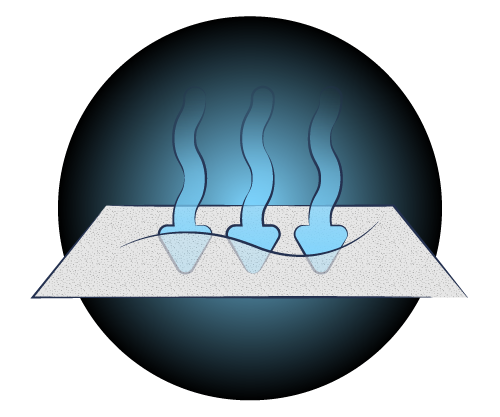
High water vapour
breathability
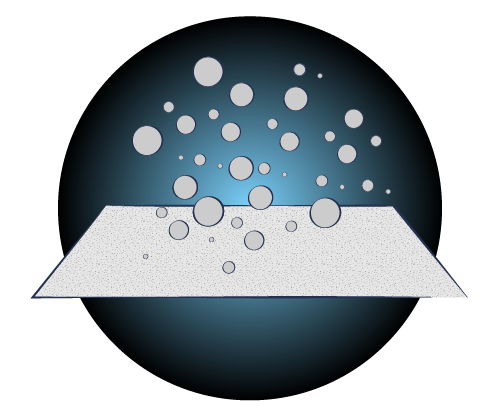
Dust retention
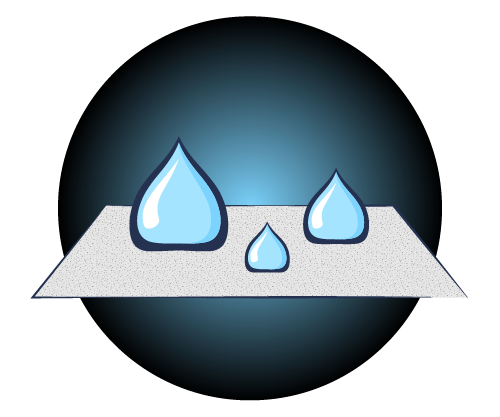
Leak resistance
Strong, reliable
heat seal
Mechanical
strength
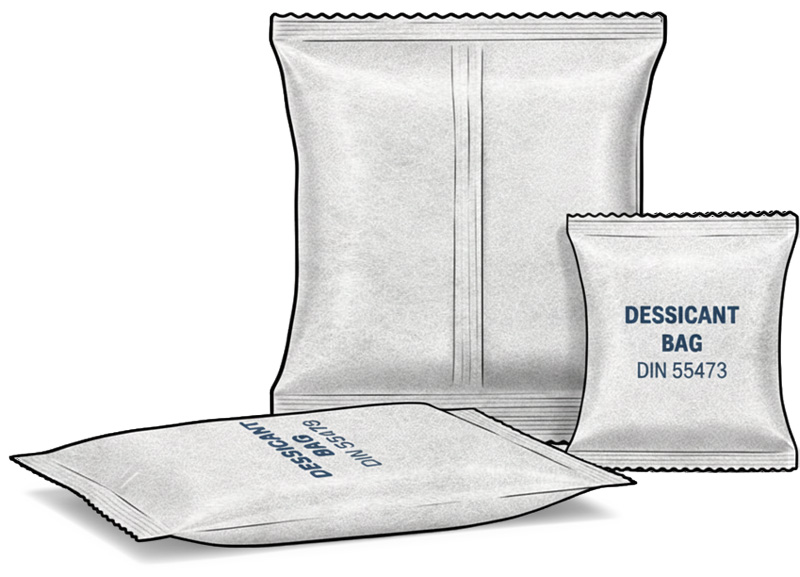
Nonwoven for clay
desiccant sachets
DIN 55473 & MIL-D-3464 standards
For manufacturers using clay-based desiccant sachets, we offer a robust, consistent material fully compliant with international standards.
Our nonwovens are specifically developed to:
• ensure excellent breathability, guaranteeing desiccant efficiency;
• withstand the mechanical and thermal stresses of production lines;
• meet the requirements of DIN 55736 / DIN 55473 and MIL-D-3464E standards.
These materials are suitable for silica gel sachets and other desiccant formulations requiring controlled water vapour absorption.
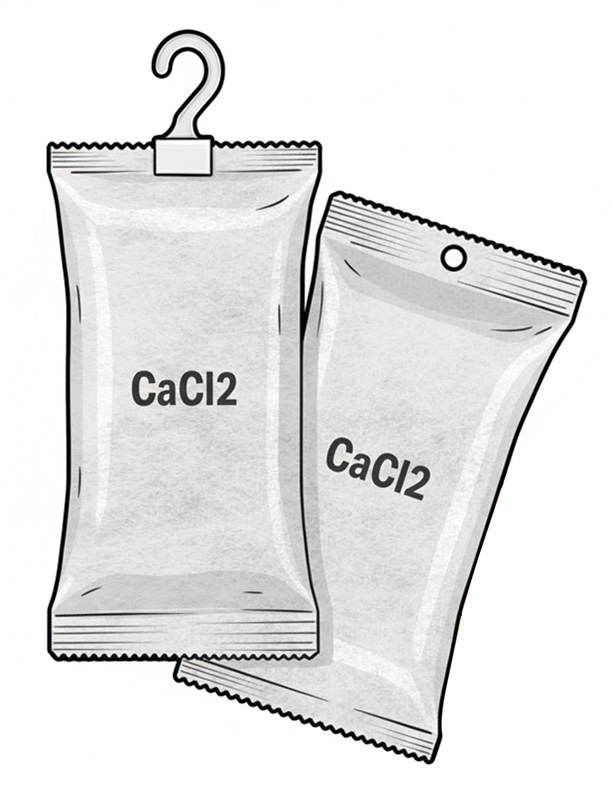
Nonwoven for calcium
chloride (CaCl₂)
moisture absorbers
Performance for maritime shipping and container applications
For CaCl₂ absorbers used in international logistics, we develop nonwovens combining:
• high breathability,
• elevated absorption capacity,
• leak resistance (reinforced structure),
• compatibility with blends containing a high CaCl₂ content (>80%).
These materials are particularly suited to container absorbers, where performance and leak control are critical to preventing condensation, corrosion and cargo damage.
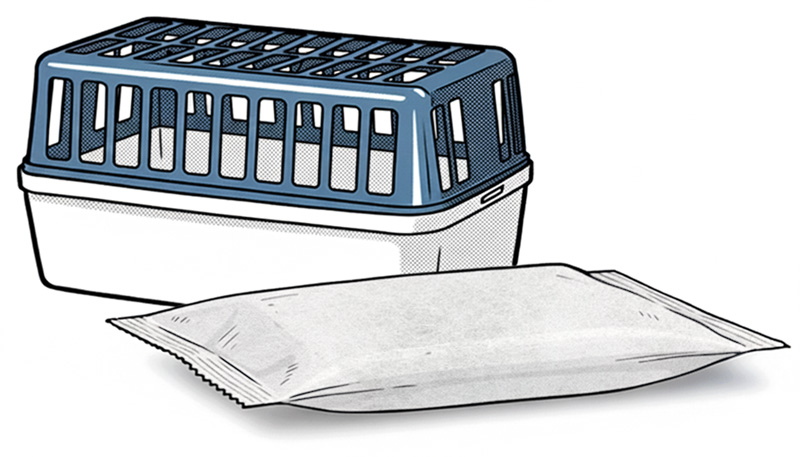
Nonwoven for consumer
moisture absorber refills
Breathable fabric — safe to handle, clean to use
We also offer solutions for the consumer market:
• breathable fabric enabling rapid brine flow to the collection tray,
• soft touch — prevents direct skin contact with the granulate,
• excellent sealability,
• high dimensional stability,
• printing and personalisation options.
These materials are suitable for moisture absorber refills for home use: wardrobes, bathrooms, drawers, rooms, storage areas and caravans.
Technical options
& customisation
• in basis weight, porosity, breathability,
• in width, format, roll presentation,
• with custom printing,
• in single-layer or multi-layer structures.
This flexibility allows us to act as a genuine technical partner, offering a standard or fully custom material to your exact requirements.
Deltamove Applications
Our other
non-woven solutions
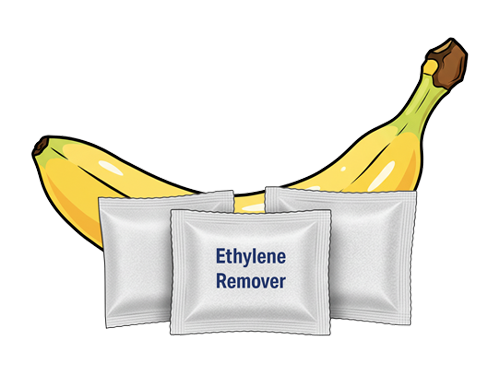
Ethylene absorbers
Technical materials for fresh
produce preservation sachets
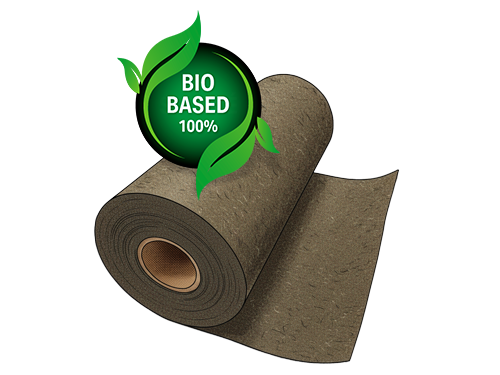
Agrotextiles & mulching
Bio-based PLA/hemp felts for
agriculture, nurseries and landscaping
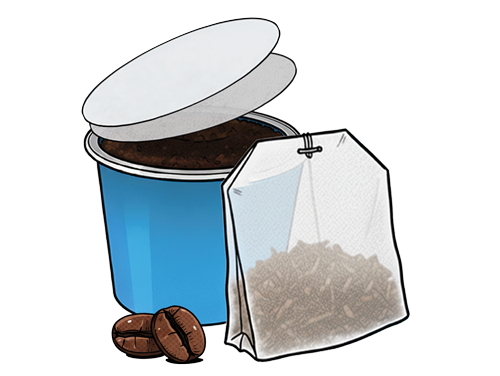
Food packaging
Compostable materials for food
packaging, capsules & infusions
Tyvek® & alternatives
DuPont Tyvek® and more cost-effective
spunbond PE alternatives
Please provide the specifications for moisture absorbers, desiccant sachets and silica gel.
Nonwoven for clay desiccant sachets
(DIN 55473 and MIL-D-3464 standards)
|
Material |
Available basis weights |
Sealability |
Properties |
Applications |
|
PP/PE |
25 to 80 g/m² |
1 or 2 sides |
Cost-effective, soft touch; from high porosity to controlled airflow |
Clay and silica gel sachets |
|
PET/PE |
25 to 80 g/m² |
1 or 2 sides |
Stronger, wide sealing temperature window; from high porosity to controlled airflow |
Clay and silica gel sachets, DIN 55473 type A certification |
|
Multi-layer recycled PET/PE |
55 g/m² |
1 side |
55% recycled content, high dust retention |
Clay and silica gel sachets |
|
Bicomponent PLA |
30 to 40 g/m² |
2 sides |
100% bio-based, made from an OK compost certified raw material |
Bio-based desiccant sachets |
|
Breathable kraft paper |
On request |
Heat-sealable |
Compostable coating |
Paper-based desiccant sachets |
|
Composite for heavy-duty bags |
67 to 90 g/m² |
1 or 2 sides |
Extra-strong seals, excellent drop-test performance, very low dust release |
Clay bags up to 1.6 kg, DIN 55473 type B certification |
Nonwoven for calcium chloride
(CaCl₂) moisture absorbers
|
Leak-proof breathable composite |
85 to 120 g/m² |
Sealing through the membrane |
Lets moisture in and keeps the brine inside, even with a high proportion of CaCl₂ |
Container desiccants, from small sachets to large bags |
|
Leak-proof breathable composite |
85 to 120 g/m² |
Sealing through a heat-sealable nonwoven |
Lets moisture in and keeps the brine inside, even with a high proportion of CaCl₂ |
Container desiccants, from small sachets to large bags |
|
Transparent adhesive PE film |
On request |
Adhesive with release liner |
Holds the bags in place inside the container |
Accessory for container desiccant bags |
Nonwoven for consumer
moisture absorber refills
|
PP/PE |
25 to 80 g/m² |
1 or 2 sides |
Cost-effective, soft touch, high porosity: the brine passes through the material into the collection tray |
Refills for household calcium chloride moisture absorbers |
|
PET/PE |
25 to 80 g/m² |
1 or 2 sides |
Stronger, wide sealing temperature window, high porosity |
Refills for household calcium chloride moisture absorbers |
Frequently asked questions about
nonwovens for moisture absorbers
Which nonwoven should I choose for a calcium chloride container desiccant?
In container desiccants, the brine formed by calcium chloride must stay inside the bag. This requires a leak-proof, breathable composite that lets moisture in while retaining the liquid, even with mixes containing more than 80% CaCl₂. Deltamove Engineering offers two such composites, from 85 to 120 g/m²: one sealed through the membrane, the other through a heat-sealable nonwoven, to suit different bag sizes and sealing processes.
What is the difference between a calcium chloride container desiccant and a household moisture absorber?
In a container desiccant, the brine must stay locked inside the bag, so the material must be leak-proof. In a household moisture absorber, the brine must instead pass through the material and drain into a collection tray, so the nonwoven must be highly porous. The two applications therefore call for opposite materials, and this is the first question to answer before choosing a basis weight.
PP/PE or PET/PE nonwoven: which is best for clay, silica gel or molecular sieve sachets?
Both materials are suitable for clay, silica gel and molecular sieve sachets. They are heat-sealable, available from 25 to 80 g/m² and sealable on one or both sides.
- PP/PE is the most cost-effective option. It offers a softer touch and high flexibility, but is less strong.
- PET/PE is stronger and offers a wider sealing temperature window, which makes production line settings easier. It is also the material we recommend for sachets targeting DIN 55473 type A certification.
Beyond the material itself, porosity must be matched to the desiccant: from high porosity to controlled airflow, depending on the desiccant’s particle size and the amount of dust to be retained.
What do types A and B mean in the DIN 55473 standard?
DIN 55473 sets out the technical requirements for desiccant bags used to protect packaged goods. Among the tests it specifies, two relate directly to the bag material, and they are carried out separately:
- the bag strength test: the bag is dropped from 3 metres and must not open;
- the dust permeability test: it measures the amount of dust that passes through the bag material.
The dust test is what distinguishes the two types: type A is classed as “low-dust” and type B as “dust-tight”. Type B is generally required for the most sensitive goods, such as electronics, optics and precision instruments.
Which nonwoven should I use to achieve DIN 55473 type A or type B certification?
Deltamove Engineering offers materials specifically developed to help its customers, desiccant bag manufacturers, achieve DIN 55473 type A or type B certification:
- For type A, a heat-sealable PET/PE nonwoven, sealable on one or both sides depending on the sealing process and bag size.
- For type B and the most demanding applications, a dedicated composite, sealable on one or both sides. It combines extra-strong seals, for the drop test, with very low dust release, to meet type B requirements.
These materials are also suitable for sachets meeting the US military standard MIL-D-3464.
Are there sustainable materials for desiccant sachets?
Yes. Deltamove Engineering offers three alternatives:
- a 100% bio-based bicomponent PLA nonwoven, made from an OK compost certified raw material;
- a breathable, heat-sealable kraft paper with a compostable coating;
- a multi-layer PET/PE nonwoven with 55% recycled content (55 g/m², high dust retention).
Which basis weights are available?
PP/PE and PET/PE nonwovens are available from 25 to 80 g/m², PLA from 30 to 40 g/m², composites for heavy-duty clay bags from 67 to 90 g/m², and leak-proof composites for calcium chloride from 85 to 120 g/m². Other basis weights, roll widths and roll formats can be studied on request.
Can I get a custom or printed material?
Yes. Basis weight, porosity, sealability, roll width and roll format can be adapted to your desiccant and your machines. Custom printing is also available. Deltamove Engineering supports you from development through to industrial production.
How can I get the technical data sheet?
Fill in the “Request the technical data sheet” form on this page, or contact the Deltamove Engineering team directly, specifying your desiccant, your sachet format and your volumes.